Elevating Interior Design Presentations with a High-Resolution Frame Bedroom Mockup
In the competitive world of interior design and digital art, the difference between a good concept and a sold project often lies in presentation. Clients do not just buy furniture or wall art; they buy a vision of how their space will feel. This is where a Frame Bedroom Mockup becomes an indispensable tool. It bridges the gap between abstract ideas and tangible reality, allowing designers to showcase their work in a context that feels lived-in and authentic. By utilizing high-quality 3D renderings, professionals can bypass the logistical nightmares of physical photoshoots while achieving a level of realism that captivates potential buyers.
The Power of Photorealistic Context
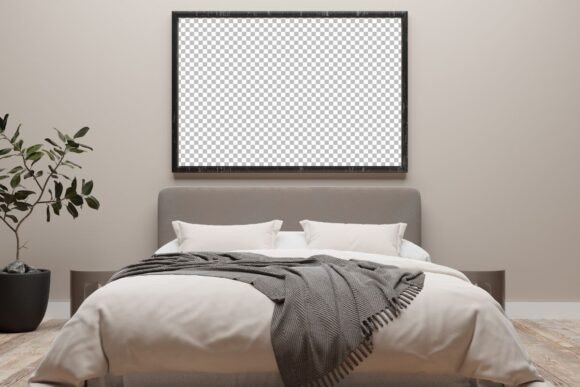
A standalone image of a framed print or a piece of wall decor often fails to convey its true impact. Without context, it is difficult for a viewer to gauge scale, lighting interaction, or stylistic harmony. A Frame Bedroom Mockup solves this by placing the artwork within a fully realized environment. The bedroom setting is particularly powerful because it is a personal sanctuary. When a client sees a design displayed above a neatly made bed, flanked by soft ambient lighting and textured linens, they can immediately imagine themselves in that space.
The realism of these mockups is not accidental. They are crafted using advanced 3D rendering techniques that simulate real-world physics. Light bounces off the frame glass, casting subtle reflections. Shadows fall naturally across the wall, grounding the object in the scene. This attention to detail ensures that the final presentation does not look like a cheap digital composite but rather like a photograph taken by a professional interior photographer. For artists and marketers, this credibility is crucial. It builds trust and helps the audience focus on the design itself rather than questioning the authenticity of the display.
Technical Specifications That Matter
While aesthetics are paramount, technical quality determines usability. A low-resolution mockup might look acceptable on a smartphone screen but will pixelate disastrously when printed or viewed on a large monitor. The specific Frame Bedroom Mockup discussed here offers exceptional versatility through its included formats. It provides two distinct high-resolution options:
- PNG Size 10000 x 8000 pixels at 300 DPI: This massive resolution is ideal for large-format printing, billboard advertisements, or high-end portfolio books where every detail must remain crisp.
- PNG Size 4000 x 3200 pixels at 300 DPI: This size is perfect for web galleries, social media campaigns, and standard digital presentations, offering a balance between quality and file manageability.
The use of the PNG format is also significant. Unlike JPEGs, PNGs support lossless compression, ensuring that no artifacts degrade the image quality during saves and edits. Furthermore, the high DPI (dots per inch) ensures that the colors remain vibrant and the lines sharp, whether the output is digital or physical. For designers who need to zoom in to show intricate details of their artwork, these specifications provide the necessary headroom without compromising performance.
Streamlining the Creative Workflow
Time is a scarce resource for freelancers and agencies alike. Organizing a physical photoshoot involves coordinating models, stylists, locations, and equipment. It is expensive, time-consuming, and often yields inconsistent results due to changing weather or lighting conditions. In contrast, using a digital Frame Bedroom Mockup streamlines this process dramatically. The workflow is straightforward: open the file, insert your design into the smart object layer, and save. Within minutes, you have a polished, professional-grade image ready for client review.
This efficiency allows for rapid iteration. Designers can test multiple artworks, color palettes, or framing styles against the same background to see which combination resonates best. This flexibility is invaluable during the brainstorming phase. It enables creators to experiment without fear of wasted resources. If a client requests a change, the designer can update the mockup instantly, maintaining momentum in the project timeline. This agility is a key advantage in modern creative industries where speed and adaptability are highly valued.
Who Benefits from This Tool?
The utility of a high-quality bedroom mockup extends beyond just interior designers. Various professionals can leverage this asset to enhance their offerings:
- Digital Artists and Illustrators: Selling prints online requires compelling product images. A mockup shows buyers exactly how the art will look in a home setting, increasing conversion rates.
- Graphic Designers: Those creating custom typography or poster designs can use the mockup to present their work in a lifestyle context, making their portfolios more engaging.
- Marketing Agencies: When promoting home decor brands, agencies need versatile visuals for ads and social media. A realistic mockup provides a consistent brand aesthetic without the cost of multiple photoshoots.
- Furniture Retailers: Online stores can use these images to demonstrate how wall art complements their bedroom furniture collections, encouraging upsells and cross-sells.
Each of these groups benefits from the "plug-and-play" nature of the tool. The ease of use means that even those with limited Photoshop expertise can achieve professional results. The pre-lit and pre-composed scene removes the guesswork from staging, allowing the user to focus entirely on their core design.
Enhancing Client Communication and Sales
One of the biggest challenges in creative services is managing client expectations. Verbal descriptions and flat 2D sketches often lead to misunderstandings about scale and mood. A Frame Bedroom Mockup serves as a universal language. It provides a clear, visual reference that both the designer and the client can discuss. When a client sees their logo or artwork in a realistic bedroom setting, they can provide more specific feedback. They might comment on the color harmony with the bedding or the proportion of the frame relative to the headboard.
This clarity reduces revision cycles and increases client satisfaction. Moreover, from a sales perspective, lifestyle images evoke emotion. People are more likely to purchase a product if they can visualize it enhancing their daily life. A sterile white background tells a customer what the product is; a realistic bedroom mockup tells them how it will make them feel. This emotional connection is a powerful driver of consumer behavior, making the mockup not just a design tool, but a marketing asset.
Considerations for Best Results
To get the most out of your Frame Bedroom Mockup, consider the following best practices. First, ensure that your inserted artwork matches the perspective of the frame. While smart objects handle much of the transformation, checking the alignment manually can prevent unnatural stretching. Second, pay attention to lighting. If your original design has a specific light source, try to align it with the ambient light in the mockup to maintain consistency. Finally, utilize the high resolution to your advantage. Do not downscale your artwork before inserting it; let the mockup handle the resizing to preserve maximum detail.
It is also worth noting the versatility of the bedroom theme. While traditionally associated with rest, modern bedroom designs often incorporate workspaces, reading nooks, or gallery walls. This makes the mockup suitable for a wide range of artistic styles, from minimalist abstract pieces to bold, colorful illustrations. The neutral yet sophisticated tone of the rendering ensures that it does not overpower the artwork but rather complements it.
Integrating into Modern Digital Strategies
In an era where digital presence is everything, having a library of high-quality assets is essential. A Frame Bedroom Mockup is not a one-time use item. It can be repurposed across various platforms. Use the 4000 x 3200 pixel version for Instagram posts and Pinterest pins, where vertical or square formats perform well. Use the 10000 x 8000 pixel version for website headers, email newsletters, or printed catalogs. This multi-platform compatibility ensures brand consistency across all touchpoints.
Furthermore, these mockups support the trend of "show, don't tell" in content marketing. Instead of writing lengthy descriptions about the quality of a print, show it in a beautiful, relatable setting. This approach respects the user's time and delivers information more effectively. As remote work and digital collaboration become standard, tools that facilitate clear visual communication will remain central to successful creative workflows. Investing in high-quality, realistic mockups is an investment in clarity, efficiency, and ultimately, better business outcomes.