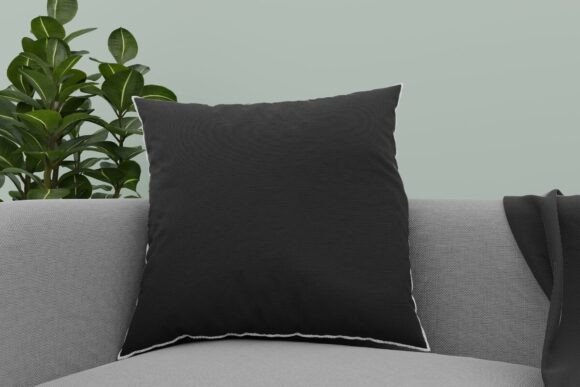
Maximizing Design Presentation with a High-Resolution Black Pillow Mockup
In the competitive landscape of textile design, home decor marketing, and digital art presentation, the visual fidelity of your portfolio can determine client engagement. A black pillow mockup serves as a critical tool for professionals who need to display patterns, typography, or textures in a realistic context without the logistical overhead of physical photography. This specific resource, characterized by its high-resolution 3D rendering and versatile file formats, offers a streamlined solution for artists and marketers aiming to elevate their visual communication.
Understanding the Value of 3D Rendered Mockups
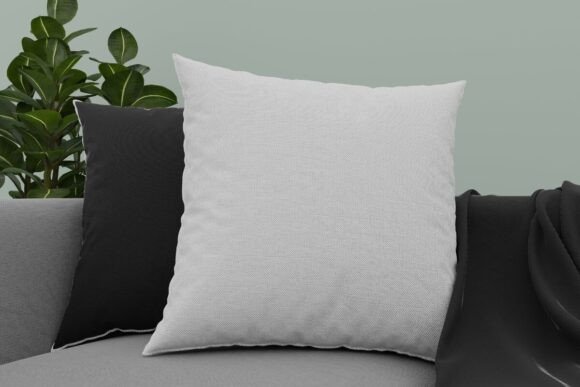
The transition from flat, two-dimensional design files to three-dimensional presentations is often where many creators struggle. Traditional photography requires lighting equipment, fabric sourcing, and post-processing skills to eliminate wrinkles or color casts. In contrast, a digitally rendered black pillow mockup eliminates these variables. The image in question is not a photograph of a physical object but a sophisticated 3D rendering. This distinction is vital because it ensures perfect consistency in lighting and shadow, providing a clean canvas that highlights the design rather than the environment.
The choice of black as the base color is strategic. Dark backgrounds reduce visual noise, allowing bright colors, intricate patterns, and white text to pop with greater contrast. For designers working on minimalist brands or luxury home goods, a black pillow provides a sleek, modern aesthetic that aligns with contemporary interior design trends. The realism achieved through advanced rendering techniques means that the texture of the fabric, the depth of the seams, and the softness of the fill are visually perceptible, adding a tactile quality to digital images.
Technical Specifications and Usability
When evaluating digital assets, technical specifications dictate the range of possible applications. This particular mockup is delivered in both JPEG and PNG formats, offering flexibility for different workflows. The resolution stands at an impressive 10,000 x 8,000 pixels at 300 DPI. To put this into perspective, this size allows for large-format printing, such as posters or trade show banners, without any loss of quality. For web use, the file can be scaled down significantly while retaining sharpness, ensuring that online portfolios look crisp on high-density retina displays.
The ease of use is another defining feature. Because the mockup is a static high-resolution image rather than a complex layered PSD file with smart objects, it is accessible to users with varying levels of technical expertise. Designers can simply overlay their artwork using blending modes in software like Photoshop, Illustrator, or even free alternatives like GIMP. The PNG format supports transparency, which can be advantageous if the user wishes to place the pillow onto a custom background scene, further enhancing the customization potential.
Comparing Static Mockups to Smart Object Templates
A common question among designers is whether to use a static high-resolution image like this black pillow mockup or a layered Photoshop template with smart objects. Each approach has distinct tradeoffs. Smart object templates allow for automatic warping and distortion, making them ideal for designs that need to conform precisely to complex curves or folds. However, they often come with larger file sizes, slower processing times, and a steeper learning curve.
Conversely, a static 3D render offers immediate visual clarity. The lighting and shadows are pre-baked into the image, meaning what you see is exactly what you get. This is particularly beneficial for quick iterations or when presenting concepts to clients who may not understand how a flat pattern translates to a 3D form. The tradeoff is that the designer must manually adjust the opacity and blending modes to integrate their design naturally. For simple geometric patterns or central logos, this manual process is trivial and often faster than navigating complex layer structures.
Ideal Use Cases for This Resource
- E-commerce Product Listings: Online retailers can use this mockup to showcase multiple design variations without producing physical samples for each SKU. This reduces inventory risk and speeds up time-to-market.
- Social Media Marketing: The high contrast of the black pillow makes it ideal for Instagram and Pinterest, where visual impact drives engagement. Marketers can create cohesive feeds by using the same mockup base for different seasonal designs.
- Portfolio Development: Freelance designers can demonstrate their ability to visualize products in real-world contexts. Including realistic mockups in a portfolio signals professionalism and attention to detail to potential employers.
- Print-on-Demand Previews: Artists selling designs on platforms like Redbubble or Society6 can use this mockup to create compelling preview images that help customers imagine the product in their homes.
Limitations and Considerations
While the black pillow mockup is a powerful tool, it is not a universal solution. Designers should be aware of its limitations to make informed decisions. First, the fixed lighting angle means that designs with subtle gradients or metallic finishes may not reflect light realistically unless manually edited. Second, the black fabric may absorb certain colors, making dark-on-dark designs difficult to read. In such cases, a lighter-colored mockup might be more appropriate to ensure legibility.
Additionally, because this is a generic 3D render, it lacks the unique imperfections of a handmade item. For brands that emphasize artisanal craftsmanship or organic materials, a photograph of a actual linen or cotton pillow might convey authenticity more effectively. The sterile perfection of a 3D render can sometimes feel impersonal if not paired with warm, inviting background elements or lifestyle context.
Making the Right Choice for Your Project
Deciding whether to utilize this black pillow mockup depends on your specific project goals. If speed, consistency, and high-resolution output are priorities, this resource is an excellent choice. It is particularly well-suited for digital-first brands that need to produce a high volume of visual content efficiently. The 10,000 x 8,000 pixel dimensions ensure that the asset remains future-proof, capable of adapting to new display technologies and print requirements.
However, if your project requires intricate fabric distortion, specific material textures like velvet or silk, or a highly customized lighting setup, you may need to explore more advanced 3D modeling tools or hire a professional photographer. The key is to match the tool to the task. For most standard design presentations, marketing materials, and portfolio pieces, this black pillow mockup provides a balanced combination of quality, ease of use, and versatility.
Best Practices for Integration
To maximize the effectiveness of this mockup, consider the following practical tips. Always start with a high-resolution version of your design to avoid pixelation when scaling. Use blending modes such as "Multiply" or "Overlay" to allow the pillow’s texture and shadows to show through your design, creating a more integrated look. Adjust the opacity slightly if the design appears too stark against the black background. Finally, consider adding a subtle drop shadow or placing the pillow in a contextual background to ground the image and enhance its realism.
In conclusion, the black pillow mockup represents a valuable asset in the modern designer’s toolkit. By understanding its strengths, limitations, and optimal use cases, professionals can leverage this resource to create compelling, high-quality visuals that resonate with audiences and drive engagement. Whether you are an independent artist or part of a larger marketing team, incorporating realistic mockups into your workflow can significantly enhance the perceived value of your creative work.