Evaluating the Owl Dreamcatcher 3D Layered SVG for Laser Cutting Projects
For crafters and digital fabricators, selecting the right design file is as critical as choosing the appropriate material. The Owl Dreamcatcher 3D Layered SVG represents a specific category of digital assets designed for multi-layered physical construction. This design combines symbolic imagery with technical precision, offering a template that translates two-dimensional vector data into a three-dimensional object. Understanding the structure, compatibility, and practical application of this file type helps makers determine if it aligns with their current project goals and equipment capabilities.
Understanding the Design Structure
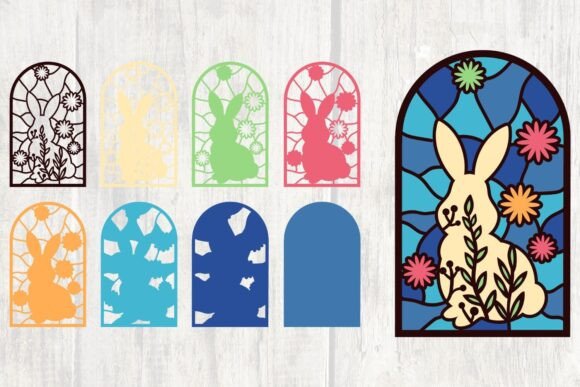
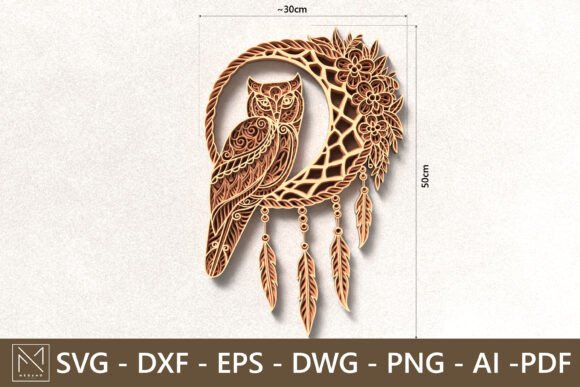
The core appeal of this asset lies in its layered architecture. Unlike single-layer cut files that produce flat silhouettes, the Owl Dreamcatcher 3D Layered SVG is engineered with distinct strata. The central motif features a wise owl positioned within a crescent moon, framed by mandala-style flowers and suspended feathers. Each element—from the intricate feather details to the broader moon outline—is separated into individual layers. This separation is not merely aesthetic; it is functional. It allows the creator to stack materials, creating depth and shadow play that mimics traditional hand-carved art.
The default dimensions are set at 50cm in height and 30cm in width. This scale provides a substantial presence for wall décor while remaining manageable for most hobbyist laser beds. However, the vector nature of the file means these dimensions are not fixed. Users can resize the design freely. A key technical consideration here is that while the overall shape scales, the internal layer alignment must be maintained. High-quality SVGs like this one are typically grouped and locked in a way that preserves relative positioning during resizing, ensuring that the owl remains centered within the moon regardless of the final output size.
Material Compatibility and Fabrication
One of the primary reasons individuals seek out this specific design is its versatility across different fabrication methods. The file is optimized for subtractive manufacturing processes, including laser cutting and CNC routing. Common materials include wood, MDF (Medium-Density Fiberboard), and acrylic. Each material interacts with the layered design differently. Wood offers a warm, organic texture that complements the bohemian theme, while acrylic provides a sleek, modern finish with high contrast between layers.
The inclusion of multiple file formats—SVG, DXF, EPS, AI, PNG, PDF, and DWG—ensures broad software compatibility. Users operating Glowforge machines, Cricut devices, CO2 laser cutters, or industrial CNC routers can import the format native to their workflow. For instance, DXF and DWG are often preferred for CAD-based CNC operations, while SVG and AI are standard for graphic-design-oriented laser software. This flexibility reduces the need for third-party conversion tools, which can sometimes introduce errors in vector paths.
Aesthetic and Symbolic Value
Beyond technical specifications, the design carries significant aesthetic weight. The combination of the owl, dreamcatcher, and mandala elements taps into a popular boho-chic decor trend. The owl symbolizes wisdom and protection, while the dreamcatcher is traditionally associated with filtering dreams and promoting peace. For artisans creating items for sale, this symbolism adds narrative value to the physical object. It transforms a simple cutout into a piece of spiritual or decorative art that resonates with consumers seeking meaningful home accents.
The 3D aspect enhances this visual impact. By stacking layers, the design catches light differently throughout the day, creating dynamic shadows. This depth makes the piece suitable for focal points in living rooms, bedrooms, or meditation spaces. It is particularly effective when painted or stained in contrasting tones to highlight the separation between the foreground owl and the background mandala patterns.
Practical Considerations and Tradeoffs
While the Owl Dreamcatcher 3D Layered SVG offers numerous advantages, it also presents specific challenges that makers must evaluate. The primary tradeoff is complexity. Multi-layer projects require more time for assembly than single-layer cuts. Each layer must be cut accurately, cleaned of burn marks or debris, and aligned precisely during gluing. Misalignment can disrupt the visual symmetry, particularly in intricate areas like the mandala flowers.
Additionally, material waste is a factor. Because the design involves many small, separate pieces, efficient nesting on the material sheet is crucial to minimize scrap. Users should consider the kerf width of their laser cutter—the amount of material burned away during cutting—as this affects how tightly pieces fit together. If the design relies on friction fits or tabs, kerf compensation may be necessary, though most layered wall art relies on adhesive bonding, which is more forgiving.
Another consideration is the thickness of the material. To achieve a balanced 3D effect without making the piece overly heavy or bulky, users typically select materials between 3mm and 6mm thick. Thicker materials increase depth but may require stronger adhesives and more robust mounting hardware for wall installation.
Ideal Use Cases
This design is a strong fit for several specific scenarios. First, it is ideal for artisans looking to expand their product line with high-perceived-value items. The labor-intensive appearance of 3D layered art allows for higher pricing tiers compared to flat decals or simple cutouts. Second, it serves well as a personalized gift. The universal symbols of protection and wisdom make it appropriate for housewarmings, baby showers, or spiritual milestones.
It is also suitable for educational or workshop settings where participants learn about vector layering and assembly techniques. The clear separation of elements provides a tangible lesson in how digital designs translate to physical depth.
When to Consider Alternatives
Despite its strengths, the Owl Dreamcatcher 3D Layered SVG may not be the best choice for every project. Beginners with limited experience in laser cutting might find the assembly process daunting. In such cases, a single-layer silhouette or a simpler two-layer design might offer a more manageable entry point. Similarly, if the goal is rapid production for high-volume sales, the time required to assemble multiple layers could become a bottleneck. Flat designs or those with fewer components allow for faster throughput.
Furthermore, if the intended display environment is humid or outdoors, standard wood or MDF may warp or degrade. While acrylic is weather-resistant, the adhesive used in layering must also be suitable for exterior conditions. If durability in harsh environments is a priority, alternative materials or sealed finishes must be factored into the project plan.
Making the Decision
Choosing the Owl Dreamcatcher 3D Layered SVG depends on balancing artistic ambition with practical constraints. Evaluate your available time, skill level in assembly, and the capabilities of your cutting equipment. If you seek to create a visually striking, symbolically rich piece and are comfortable with multi-step fabrication, this design offers a robust foundation. Ensure you have the necessary adhesives and finishing supplies before beginning. By understanding the technical requirements and aesthetic potential, you can determine if this layered approach aligns with your creative objectives.