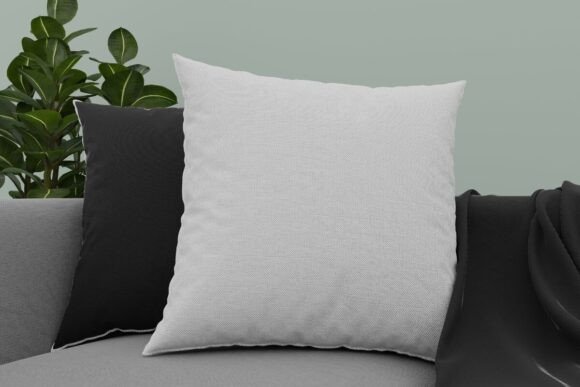
White Cushion Mockup: Elevate Your Design
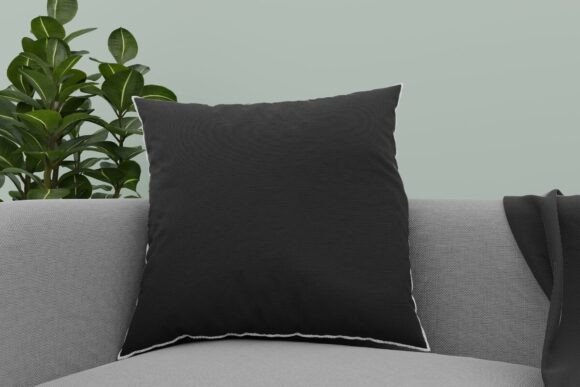
In the competitive world of visual marketing, the difference between a sale and a scroll often comes down to presentation. A White Cushion Mockup serves as a pristine canvas, allowing designers, artists, and marketers to showcase their work with unparalleled clarity. This isn’t just a placeholder; it is a high-fidelity 3D rendering designed to bridge the gap between digital concepts and tangible reality. By providing a neutral yet sophisticated backdrop, this tool empowers creators to focus entirely on their artwork, ensuring that patterns, textures, and colors take center stage without distraction.
The Power of Realism in Digital Presentation
What makes this specific mockup stand out is its commitment to photorealism. Unlike flat, two-dimensional overlays that can look artificial, this 3D rendering captures the subtle interplay of light and shadow on fabric. The folds, the softness of the material, and the way light hits the surface are all meticulously calculated to mimic a real-world photograph. This level of detail builds trust with potential clients or customers, who subconsciously associate high-quality visuals with high-quality products.
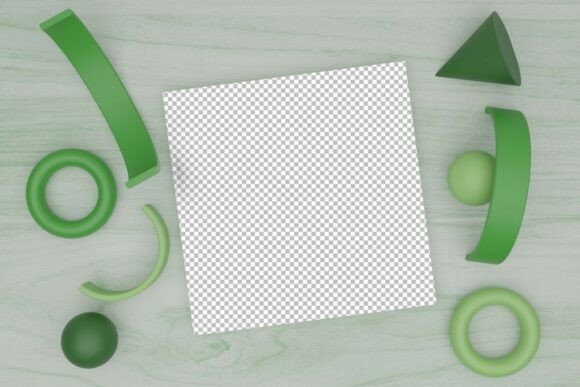
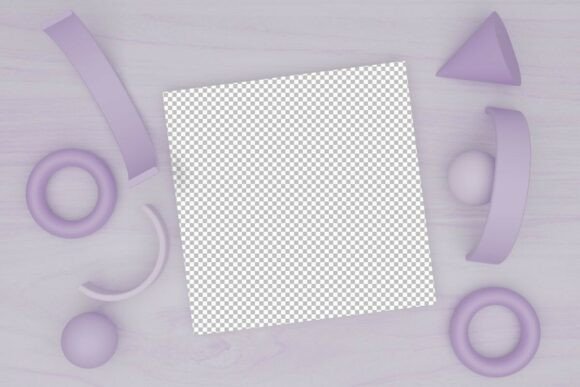
The technical specifications further enhance its utility. With a massive resolution of 10000 x 8000 pixels at 300 DPI, the file is ready for any application, from web banners to large-format print materials. Whether you need a crisp JPEG for a quick social media post or a transparent PNG for complex composite designs, the included formats ensure flexibility. This versatility means you never have to compromise on quality, regardless of where your design will be viewed.
Creative Applications for Diverse Professionals
The beauty of a white cushion lies in its neutrality. It does not impose a style but rather adapts to the vision of the creator. Here is how different professionals can leverage this asset to achieve their unique goals:
- Surface Pattern Designers: Use the mockup to test repeat patterns. The white background ensures that even subtle pastel hues or intricate line work remain visible and distinct.
- Interior Decor Brands: Showcase seasonal collections. A white cushion acts as a chameleon, fitting seamlessly into minimalist, Scandinavian, bohemian, or industrial interior settings when placed in context.
- Freelance Illustrators: Present custom commissions. If you create character art or typography, seeing it printed on a soft, inviting object adds emotional value to the piece.
- Marketing Agencies: Create consistent brand assets. Using the same high-quality base image across various campaigns maintains visual coherence and professionalism.
Strategies for Effective Design Integration
To get the most out of your White Cushion Mockup, consider the following practical approaches. These tips will help you maintain consistency and originality while maximizing the impact of your visuals.
Focus on Contrast and Clarity
Since the base is white, dark or vibrant designs will pop dramatically. However, if your design features light colors, pay close attention to the shadows in the 3D render. You may need to adjust the brightness or contrast of your artwork slightly to ensure it doesn’t disappear into the highlights of the fabric. The goal is legibility and impact. Test your design at various zoom levels to ensure details remain sharp.
Maintain Perspective and Proportion
Even though this is a digital template, respecting the physical properties of the object is crucial. Ensure your design wraps naturally around the curves of the cushion. Avoid stretching elements disproportionately. The 3D nature of the mockup provides depth cues; align your artwork with these cues to create a believable result. If the design looks like it’s floating above the fabric rather than printed on it, the illusion breaks.
Curate Your Context
While the mockup itself is isolated, think about where it will live. Are you placing it on a website with a dark mode interface? Or perhaps in a bright, airy blog post? The white cushion works well in both scenarios, but you might want to add a subtle drop shadow or place it against a complementary background color to make it stand out further. Consistency in lighting and environment helps tie the mockup into your broader brand narrative.
Inspiration for Project Variations
Don’t limit yourself to a single use case. The high resolution allows for cropping and creative editing. Consider creating a series of images that tell a story. For example, a home decor brand could show the same cushion design in three different lighting conditions: morning light, afternoon sun, and evening lamp light. This demonstrates versatility and helps customers visualize the product in their own homes throughout the day.
For educators and hobbyists, this mockup is an excellent teaching tool. It allows students to understand how digital prints translate to physical objects. By experimenting with different scales and orientations, learners can grasp the importance of repeat patterns and seam placement. It turns abstract design theory into tangible practice.
Ensuring Originality and Brand Identity
Because this mockup is easy to use, it is popular. To keep your work original, focus on the uniqueness of your design rather than relying solely on the template. Add your own photographic elements, combine multiple angles, or create collages that feature the cushion alongside other lifestyle items. The mockup is a foundation, not the final product. Your creativity should drive the narrative.
Additionally, consider the audience you are targeting. A minimalist design might appeal to a modern, urban demographic, while a bold, floral pattern might resonate more with those seeking warmth and tradition. The white cushion supports both, but your choice of artwork communicates directly to your specific viewer. Tailor your design choices to reflect the values and aesthetics of your target market.
Technical Best Practices for Workflow Efficiency
Working with large files like this 10000 x 8000 pixel image requires an organized workflow. Start by creating smart objects in your editing software. This non-destructive approach allows you to swap designs instantly without losing quality or having to reposition elements repeatedly. Keep your layers named and grouped logically. This saves time when revisions are requested, which is common in client work.
When exporting, choose the right format for the platform. Use PNGs for web graphics where transparency is needed, and high-quality JPEGs for print or email newsletters. Always check the final output on multiple devices to ensure colors appear consistent. Calibration matters, especially when dealing with white spaces and subtle shadows.
In conclusion, the White Cushion Mockup is more than just a digital file; it is a versatile tool that enhances the presentation of creative work. By combining realistic 3D rendering with high-resolution flexibility, it offers a professional solution for anyone looking to showcase designs effectively. Whether you are a seasoned designer or a budding entrepreneur, integrating this mockup into your workflow can elevate your visual communication, making your ideas clearer, more appealing, and ready for the world to see.